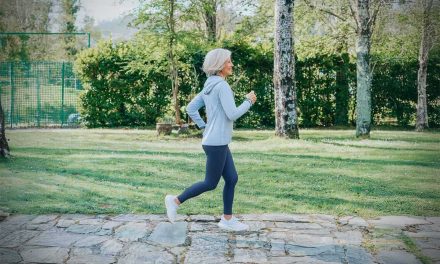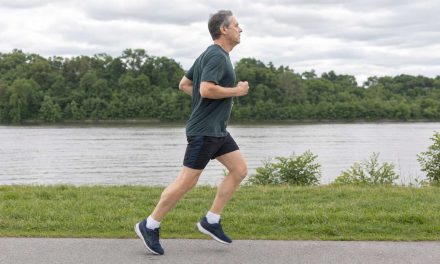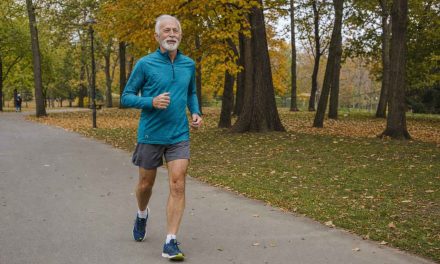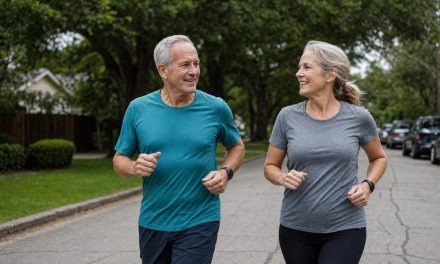
Runners are among the least flexible athletes going, and that gap quietly causes problems.
Tight hips pull on the lower back. Stiff ankles change how the foot lands.
A little deliberate mobility work fixes both without asking much of your week.
Yoga, or movements borrowed from it, slots into a running routine naturally. You do not need a class, a mat, or a philosophy. A handful of poses done a couple of times a week changes how your body feels on the run.
This is general information, not medical advice. If you have a specific injury or joint concern, check with your doctor before starting a new movement practice.
Why runners need this more as they get older
After 45 or so, two things creep in. Stiffness builds in places you ignored when you were younger, and small balance deficits start to show.
Neither is dramatic on its own. Together, they change your stride in ways that load the knees and ankles over time.
The repetitive motion of running shortens the muscles at the front of the hip. Over months and years, shortened hip flexors show up as low-back ache on longer runs. Mobility work interrupts that before it becomes structural.
Older runners also lean on single-leg stability more than they realize. Every running step is a single-leg balance, repeated thousands of times. When that erodes, the body compensates, and compensation is where small injuries start.
Movements that help
A few categories cover what a runner who wants to keep running actually needs.
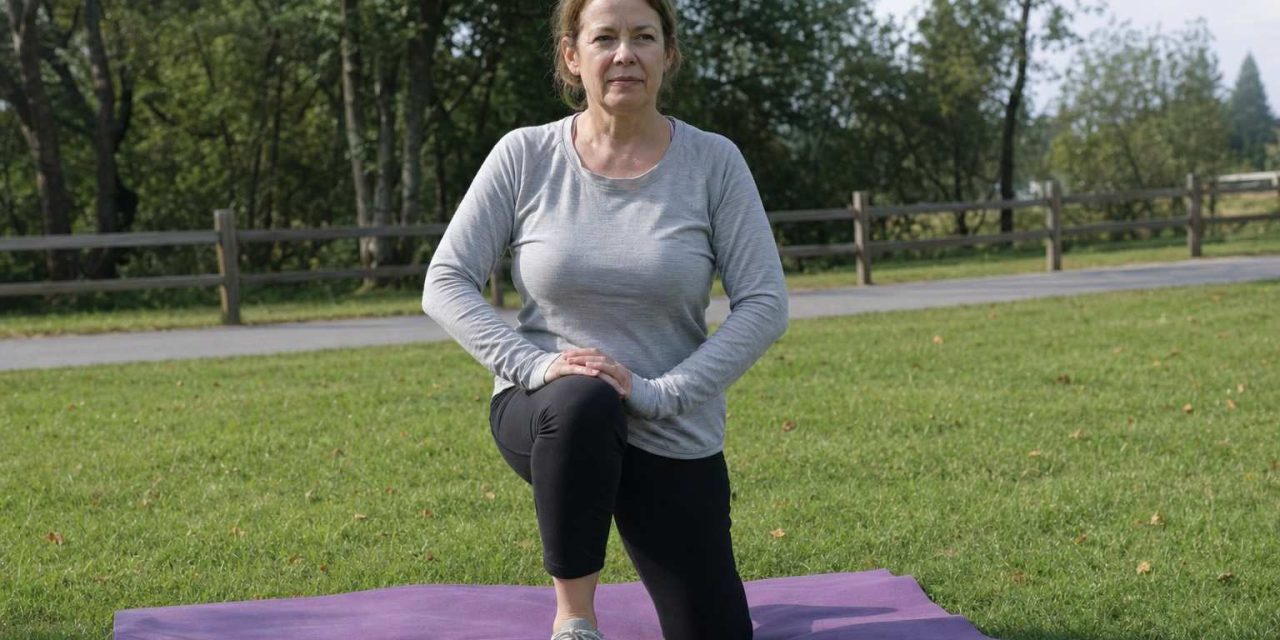
Hip-opening holds move the hip through its range without the forward-only pattern of running. A low lunge, held 30 to 60 seconds per side, gives the hip flexor a long stretch a quick post-run reach never will. A gentle rotation toward the front leg deepens it.
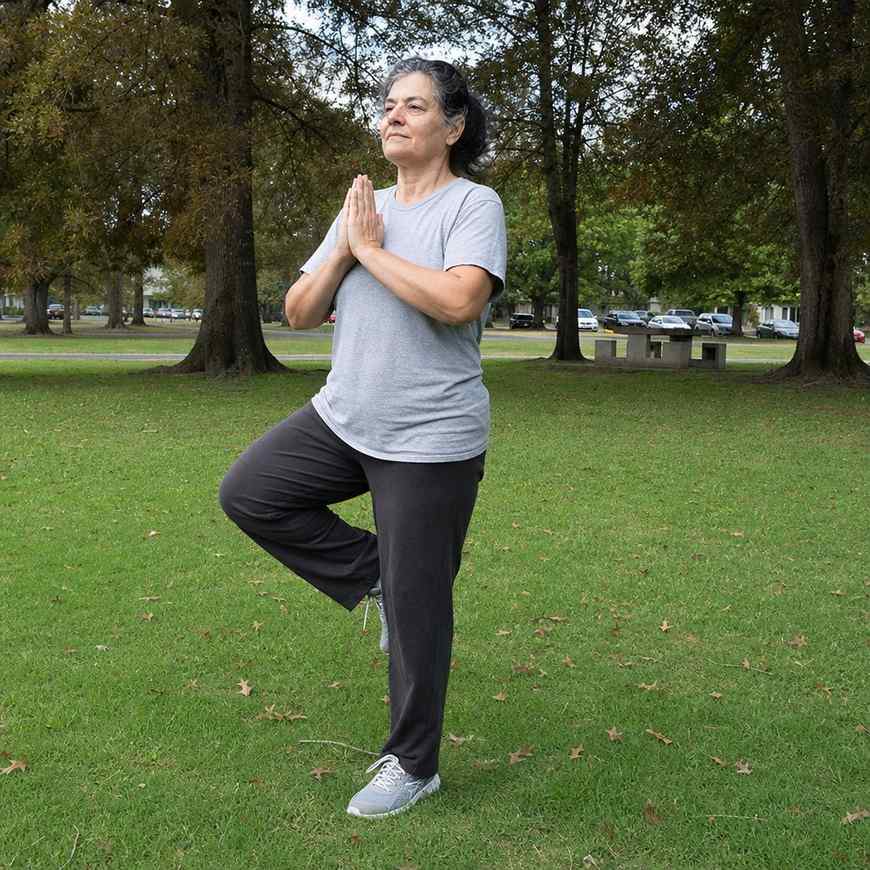
Single-leg balance work trains the ankle and foot to stabilize while the rest of you stays relaxed. Stand on one foot with a soft knee, eyes open at first and eventually closed. A tree pose held 30 seconds per side is a simple version.
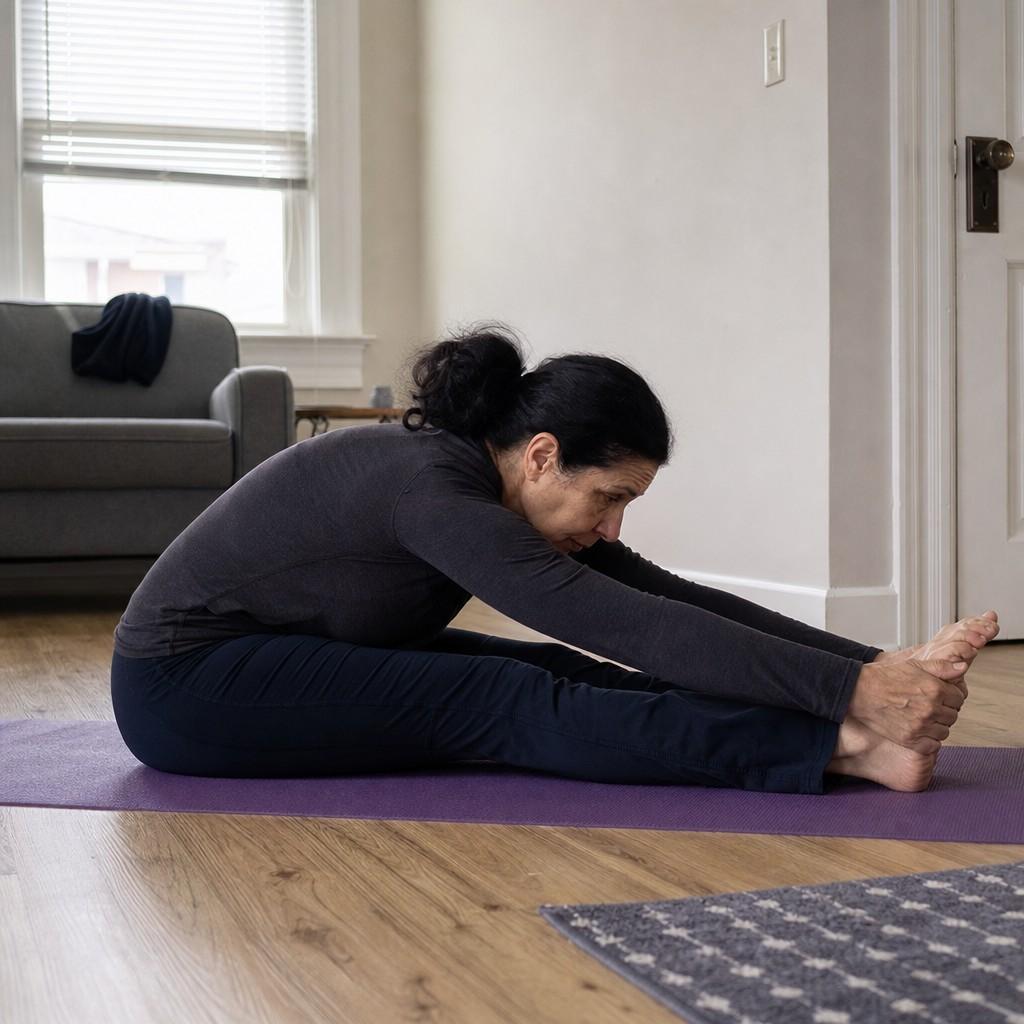
Calf and ankle stretching counters the stiffness from thousands of push-offs. Runners who have worked on their ankle strength and mobility know the ankle is a hinge carrying enormous load. A long standing calf stretch plus slow ankle circles keeps it supple.
A gentle backbend or chest opener rounds things out. Runners spend a lot of time slightly folded forward; opening the chest restores posture and undoes the shoulder rounding that creeps in late in a tired run.
The single-leg balance running asks of you thousands of times per run gets easier when you train for it directly, not just by running.
How to fit this in
- Two short sessions a week is enough. Ten to fifteen minutes after an easy run, while the muscles are warm.
- Hold each position at least 30 seconds. Brief bouncy stretches do less than longer holds.
- Move slowly into each pose rather than forcing range. Aim for a comfortable stretch, not a maximum one.
- If one side is tighter, spend a little more time there. Asymmetry shows up in the stride.
Consistency matters more than intensity here. A little done regularly changes far more than the occasional intense session.
What this does for your running
Better hip mobility shows up as a longer, freer stride. Better single-leg stability shows up as a cleaner foot plant and less side-to-side wobble. An open chest shows up as better posture late in a run, when fatigue normally pulls you forward.
None of it is dramatic or fast. It accumulates over months, and tends to show up as absence: fewer niggles, less morning-after stiffness, a lower back that stops complaining.
Most runners notice the change before they can name it.
Paired with attention to your running form, the combination beats either alone. Form without mobility is hard to hold; mobility without form awareness does not transfer to the run.
Regular yoga practice is well established as a way to improve flexibility and balance, both of which erode with age and both of which affect how efficiently you run.
You do not need to love yoga to get something from it. Borrow what helps, do it after your easy runs twice a week, and let a few months tell you what changes.