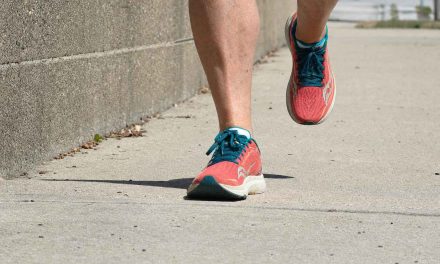
Strength work is the half of training most runners skip.
After 50, it is the half that protects you most. What you do off the road matters as much as the miles.
Muscle is the quiet thing we lose with the years. From around 50 it slips away faster, unless we ask it to stay.
For a runner, that shows up as a less stable stride, slower recovery, and more of the small injuries that interrupt training.
The good part is that this is one of the most reversible parts of getting older.
What strength work does for an older runner
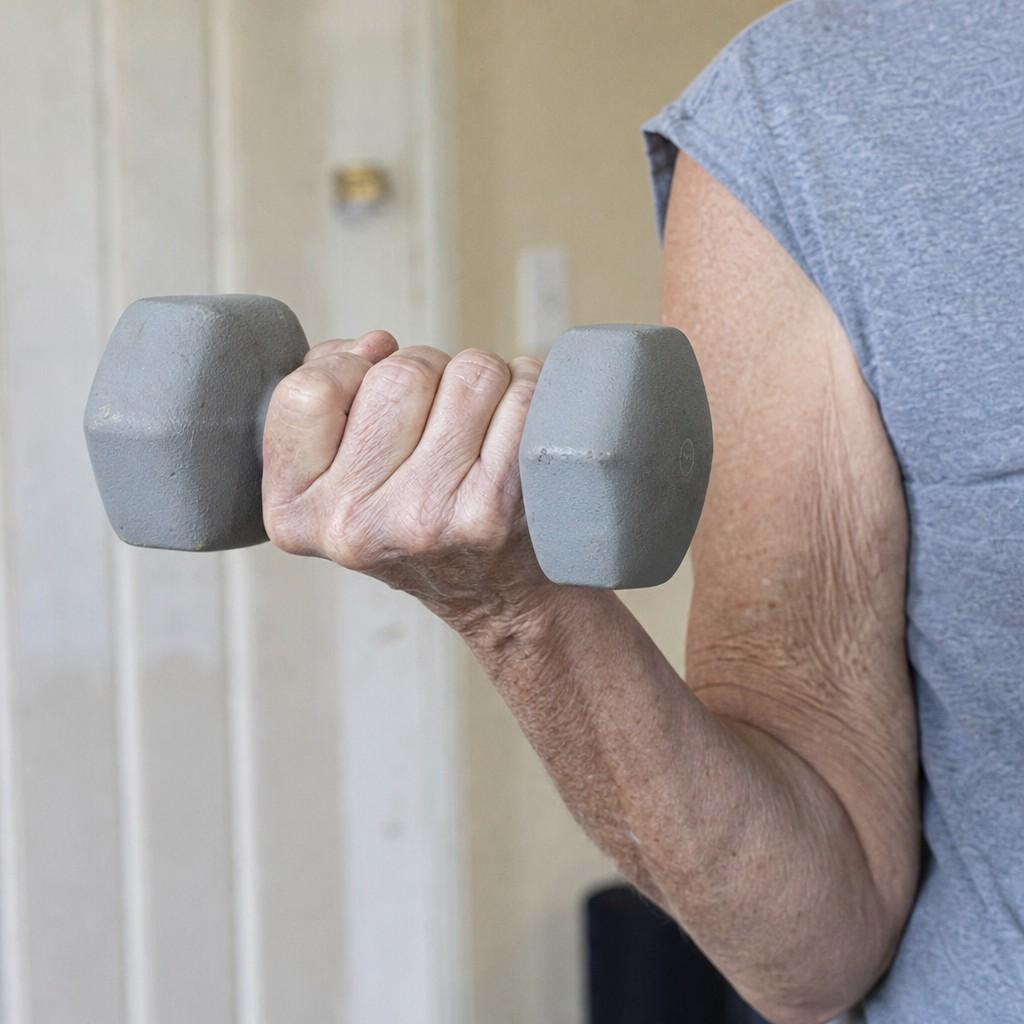
Lifting, even twice a week, rebuilds muscle and slows sarcopenia, the age-related muscle loss that chips away at independence.
The American College of Sports Medicine recommends strength training at least twice a week for adults. The payoff is largest for people past 50.
For your running, stronger muscles mean a few specific things:
- A steadier, more efficient stride
- Better balance, which means fewer falls and fewer turned ankles
- Denser bones, because loaded muscle pulls on bone and keeps it strong
- Faster recovery between runs
Strength training is not a rival to running. After 50, it is one of the things that keeps you running.
You do not need heavy weights
“Weight training” sounds like heavy barbells and a crowded gym.
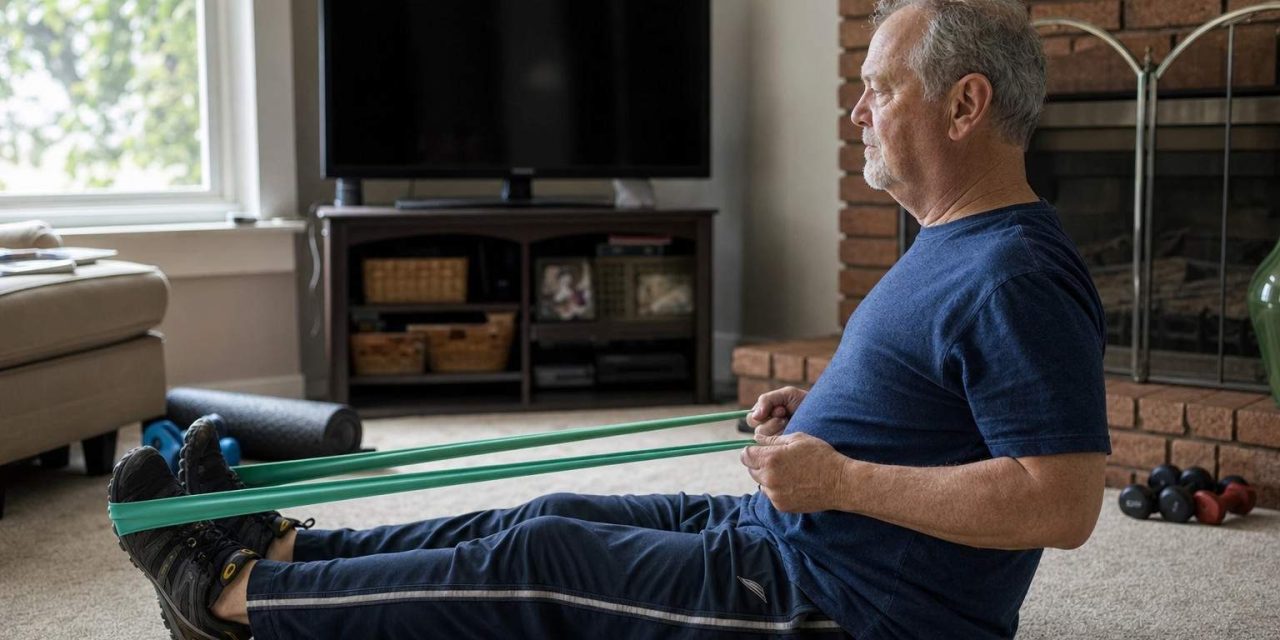
It is not. For most older runners, resistance bands, a pair of light dumbbells, or even body weight is plenty to begin with.
A simple, runner-friendly start:
- Squats or sit-to-stands, for the legs that carry every mile
- A wall push-up or light chest press, for posture
- Resistance band rows, for the upper back
- Calf raises and a few seconds of single-leg balance, which feed straight into stronger feet and ankles
Begin light. Move slowly and with control. Add load only when the current weight feels easy, keeping good form ahead of big numbers exactly as you would on a run.
How often, and how it fits with running
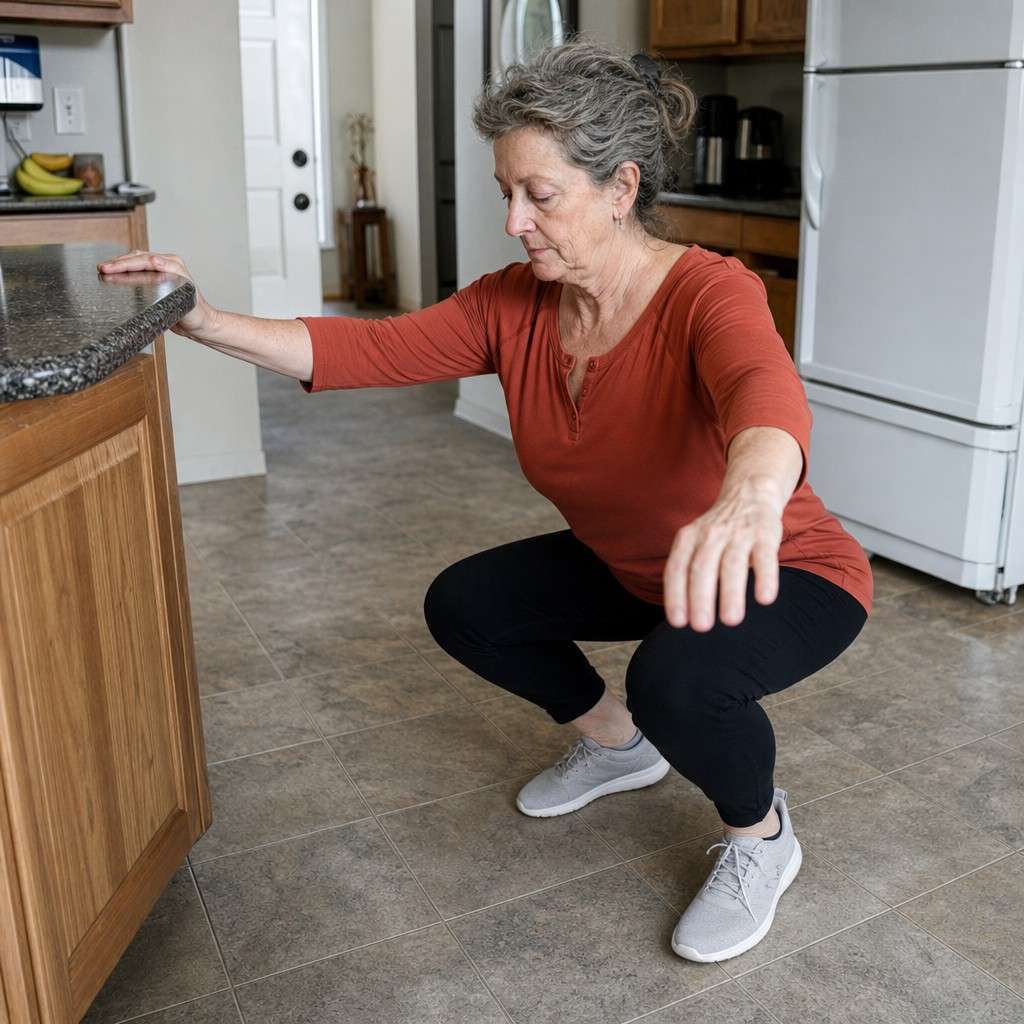
Two to three short sessions a week is plenty. Enough to build strength while leaving your legs fresh for running.
Keep strength days and harder running days apart, or tack ten minutes onto the end of an easy run.
If you are getting back to running after 50, starting strength work at the same time tends to make the running itself come easier.
This is general information, not medical advice. If you have a heart condition, osteoporosis, or a past injury, check with your doctor or a physical therapist before you start, especially about which movements suit you.
The bottom line
Running keeps your heart and head strong.
Strength work keeps the frame that carries you.
Together they are how you keep running for years to come, steady and injury-free, for longer than you might expect.