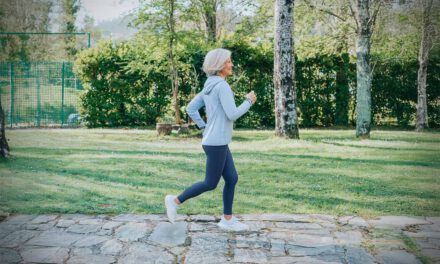
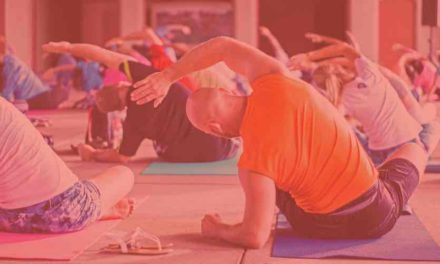
You’ve probably heard that motivation naturally declines with age, but here’s what’s really happening. Your body isn’t giving up on exercise; you’re just tired of activities that no longer fit your current abilities or interests.
The gap between what you used to do and what feels manageable now creates frustration, not laziness.
Once you understand this disconnect, you’ll discover why small shifts in your approach can reignite your commitment to movement in ways that actually stick.
Name the Real Reason You’re Not Exercising

Before you can fix a problem, you need to name it. What’s actually stopping you from exercising?
Maybe it’s chronic knee pain that flares up after 10 minutes of activity. Perhaps you’re dealing with psychological blocks, fear of falling or reinjuring yourself.
Transportation might be your barrier if the nearest gym sits 5 miles away with no bus route. Or you’ve built sedentary habits over 20 years that feel impossible to break.
Research shows that long-term runners experience minimal joint decay and no increased osteoarthritis risk, which can help ease concerns about damage from exercise.
Effective barrier identification requires honest self-assessment. Write down your specific obstacles.
Honest self-assessment cuts through excuses—write down what’s actually blocking you, not what sounds acceptable.
Consult your doctor about pain issues. Acknowledge your fears without judgment. This clarity creates your roadmap forward.
Choose Low-Impact Activities You’ll Actually Enjoy
Once you’ve identified what’s holding you back, you need an activity that works around those barriers instead of triggering them.
Walking, swimming, and yoga deliver cardiovascular benefits without joint stress. Dance classes transform workouts into social events.
Gardening builds strength while producing tangible results. These fun exercise options improve balance and coordination, cutting fall risk by up to 40%.
SilverSneakers programs combine group motivation with accessible movements.
Tai chi and cycling add variety that prevents dropout. Consistency in exercise is essential for building confidence in your fitness abilities as you age, making it easier to stick with routines that feel manageable.
The key isn’t finding the “best” exercise: it’s discovering enjoyable fitness choices you’ll actually do three times weekly, turning obligation into anticipation.
Set Small Exercise Goals That Build Momentum
Your brain responds better to “walk for ten minutes” than “get in shape this year.” That first goal delivers success by Tuesday, the second creates months of ambiguous effort with no clear finish line.
This is momentum building through smart goal setting.
Start with ten minutes daily, then add five more next month. Track each session in an app or notebook, you’ll see patterns emerge quickly.
When you complete seven consecutive days, acknowledge it. That recognition reinforces the behavior loop.
As your fitness improves, adjust targets upward. You’re not chasing perfection; you’re stacking small wins that compound into lasting change.
Join a Walking Group or SilverSneakers Class

Exercise becomes easier when someone else shows up expecting you. Walking groups meet regularly at local parks and trails, turning solitary workouts into social events.
You’ll discover walking benefits extend beyond physical fitness; the community support keeps you consistent.
SilverSneakers classes offer another smart option. Professional instructors provide modifications for different abilities, whether you’re tackling strength training, yoga, or aerobics.
These programs often include community challenges that push you toward new milestones.
The combination of scheduled sessions, friendly faces, and tailored instruction creates an environment where staying active becomes natural rather than forced.
Use a Simple System to Track Daily Wins
When you write down what you accomplished today, that simple act transforms vague effort into concrete evidence. Progress tracking through a fitness app or notebook shows patterns you’d otherwise miss, like walking 500 more steps weekly or attending three classes monthly.
Daily reflection takes just two minutes: note your workout type, duration, and how you felt. This data reveals real improvements in stamina and strength over weeks.
You’ll spot trends that inform smarter goal adjustments. Each recorded win, whether five extra minutes on the treadmill or mastering a new stretch, builds momentum that keeps you consistently active.
Design a Weekly Routine With Built-In Flex Days
Tracking daily wins shows what you’ve accomplished, but a structured weekly plan determines what you’ll actually do.
Design a routine that includes 150 minutes of moderate aerobic activity and two strength-training sessions targeting major muscle groups.
Build in flex days for rest or gentle activities like yoga.
Your innovative weekly framework:
- Schedule social group classes on flex days to transform exercise into connection
- Use a weekly planner or fitness app to visualize your progress in real-time
- Adapt flex day activities based on how your body actually feels
- Spread aerobic sessions throughout the week to prevent overwhelming any single day
- Include walking dates with friends to make movement feel less like work
Celebrate Progress With Rewards That Support Your Goals

Because your brain responds poweringly to positive reinforcement, you’ll stick with exercise longer when you reward yourself for milestones.
Effective reward systems include treats like new workout gear after completing a month of consistent activity, or booking a massage following your first 5K walk.
These milestone celebrations should align with your fitness goals: choose spa days over cake, quality sneakers over sedentary rewards.
Track your progress through apps or journals to identify achievements worth celebrating.
When you hit a target like walking three miles without stopping, reward yourself with something that reinforces your commitment, like joining that dance class you’ve considered.
Ask Your Doctor Which Exercises Match Your Health Needs
Your doctor knows your medical history, current medications, and physical limitations better than any fitness influencer or generic exercise program ever could. An exercise consultation transforms guesswork into science.
During your health assessment, you’ll discuss current activity levels and any discomfort you’re experiencing. Your provider can recommend specific activities, low-impact swimming for arthritic joints or structured walking for heart health.
They’ll adjust your plan as conditions change.
Benefits of professional exercise guidance:
- Prevents injuries that could sideline your fitness journey for months
- Identifies hidden health risks before they become serious problems
- Creates personalized solutions that actually fit your life
- Builds confidence through expert-backed recommendations
- Maximizes results efficiently
Make Housework and Yard Work Count as Movement
Rethink every household task as a workout opportunity instead of merely crossing items off your to-do list.
Vacuuming and sweeping strengthen your arms while outdoor gardening builds flexibility and balance.
You’ll burn 250 to 350 calories per hour raking leaves or mowing the lawn, matching gym-quality cardio.
Washing windows improves coordination, reducing fall risks as you age.
Set weekly goals for household chores to stay motivated and track progress toward your 150-minute exercise target.
These practical movements keep you active without requiring gym memberships or special equipment, transforming routine maintenance into effective fitness sessions.
Stay Motivated by Exercising With Friends or Family
Stay Motivated by Exercising With Friends or Family
When you exercise alongside friends or family members, you’ll stick with your routine 65% longer than working out alone. Fitness buddies transform mundane workouts into engaging social experiences.
They’ll push you when motivation wanes and celebrate your progress. Social workouts create accountability: you’re less likely to skip when someone’s counting on you.
Group classes designed for older adults offer double benefits: improved strength and expanded social circles.
Why fitness buddies make the difference:
- You’ll laugh through challenging exercises instead of dreading them
- Shared victories feel twice as meaningful
- Regular meetups combat isolation and loneliness
- Partners provide immediate encouragement during tough moments
- New friendships emerge from consistent group participation