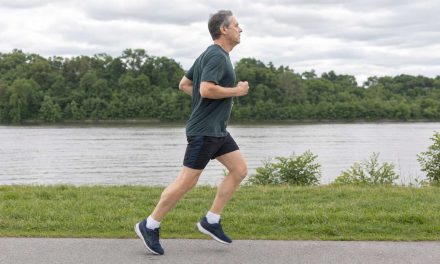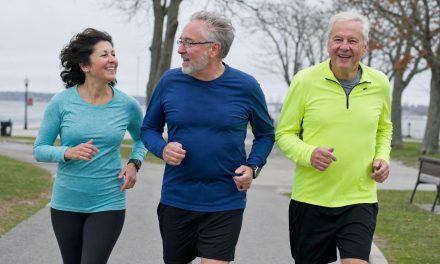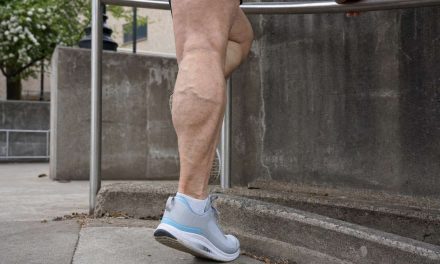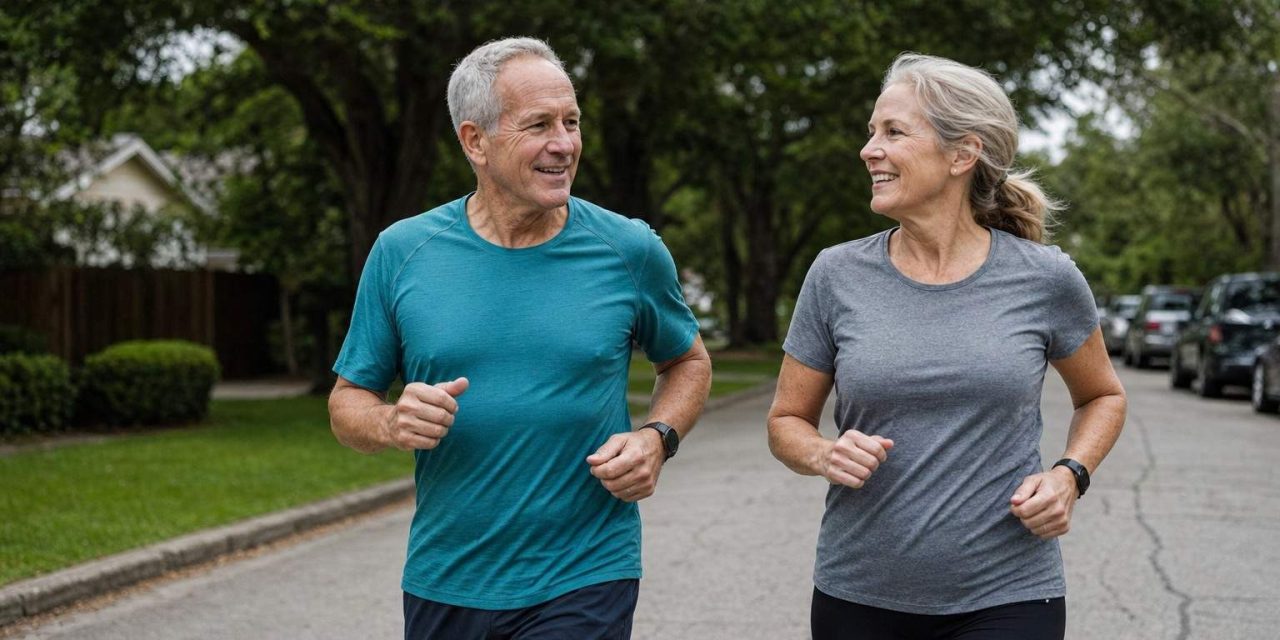
Someone has probably warned you that running “wears out your knees.”
That it is too hard on the body as you get older.
It is mostly wrong. For most people, running protects an aging body far more than it harms it.
The worry almost always runs the other way. So it is worth looking at what the research actually shows.
Running and how long you live
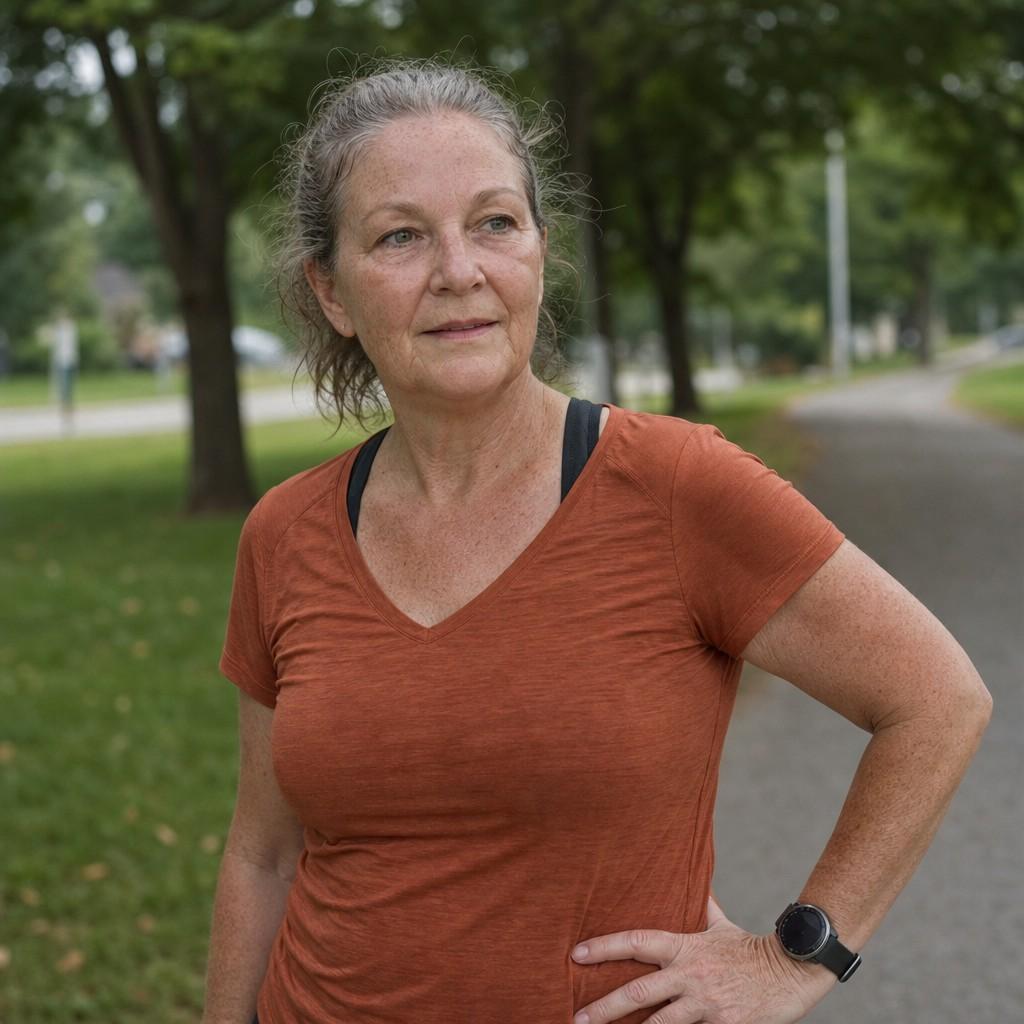
A 21-year study in the Archives of Internal Medicine followed runners and non-runners aged 50 and older.
The runners stayed active longer, developed fewer disabilities, and were less likely to die during the study. Running did not just keep them fit. It protected their independence as the years went on.
Research in the Journal of the American College of Cardiology points the same way: regular running is linked to a few extra years of life and lower rates of heart disease.
And you do not need high mileage to get there.
The biggest gains come from going from no running to a little. More is not automatically better.
What about your knees?
This is the fear that stops most people.
The evidence is reassuring.
A long-term study in the American Journal of Preventive Medicine tracked runners and non-runners with repeated knee X-rays over years. The runners did not develop more knee osteoarthritis than the people who never ran.
A separate ten-year study in Skeletal Radiology followed marathoners’ knees on imaging. Serious joint changes were rare, and the one notable case traced back to an old injury that had nothing to do with running.
Running does not appear to wear out healthy knees. Doing too much, too soon is a different story.
So why do runners get hurt?
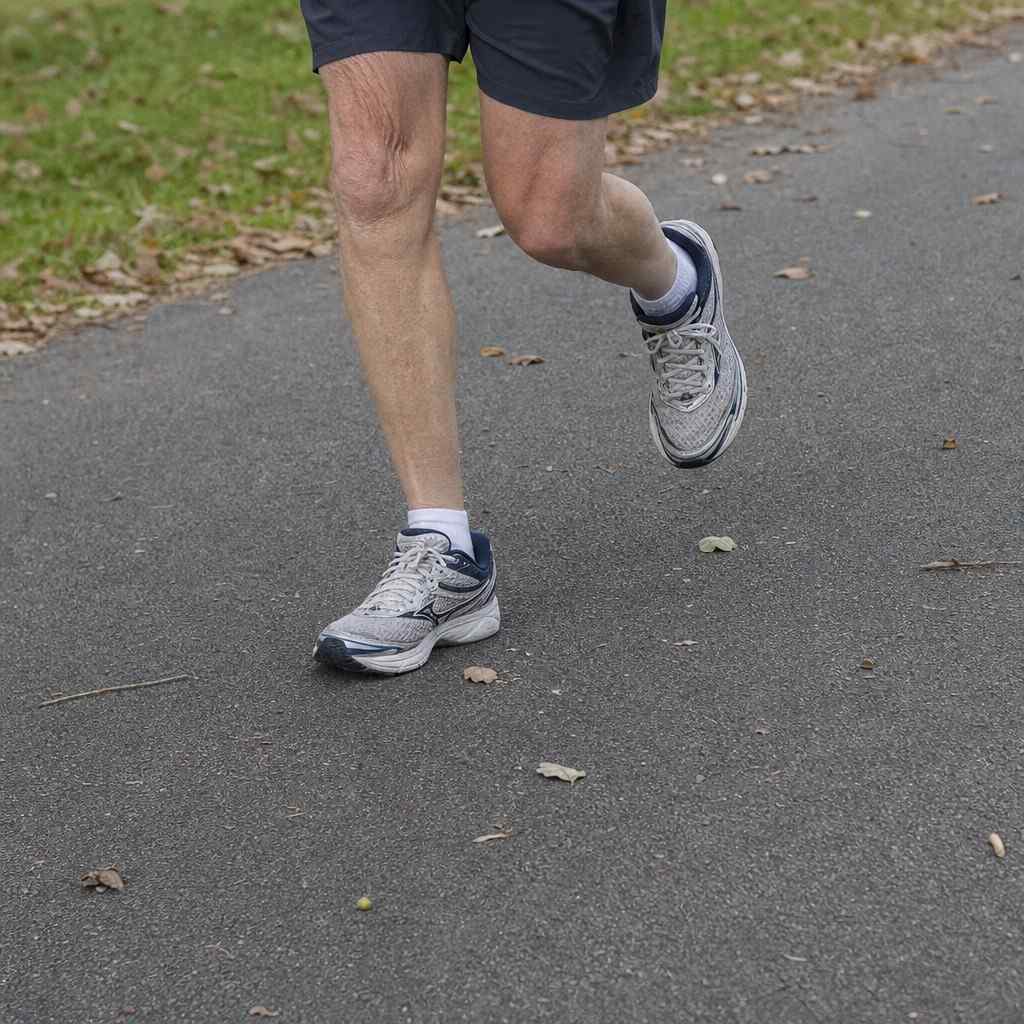
Running can cause injury. So can any repeated activity.
The trouble is rarely running itself. It is how people go about it.
Most injuries come from doing too much too soon, especially when easing back in or starting after 50. After 50, two things matter more than they used to: a little strength work for your feet and ankles, and paying attention to your running form rather than your pace.
A few habits keep running sustainable for decades:
- Build up slowly. Small steps, not big jumps.
- Warm up before, cool down after.
- Keep a little easy strength work in your week, especially feet, ankles, and hips.
- Favor good form over speed.
- Take rest days, and never push through pain that is more than ordinary effort.
The honest caveats
There is some research, in the Journal of the American College of Cardiology, that a very small group running extreme mileage at very hard efforts may not gain extra benefit.
For nearly everyone, that is not the real issue.
Most of us run too little, not too much.
This is general information, not medical advice. If you have a heart condition, a past injury, or pain that does not settle, check with your doctor before you ramp up.
The bottom line
Running is not something to fear as you get older.
Done sensibly, it is one of the most effective things you can do to stay strong, mobile, and independent for longer.
The aim is simple: keep running, and keep enjoying it.