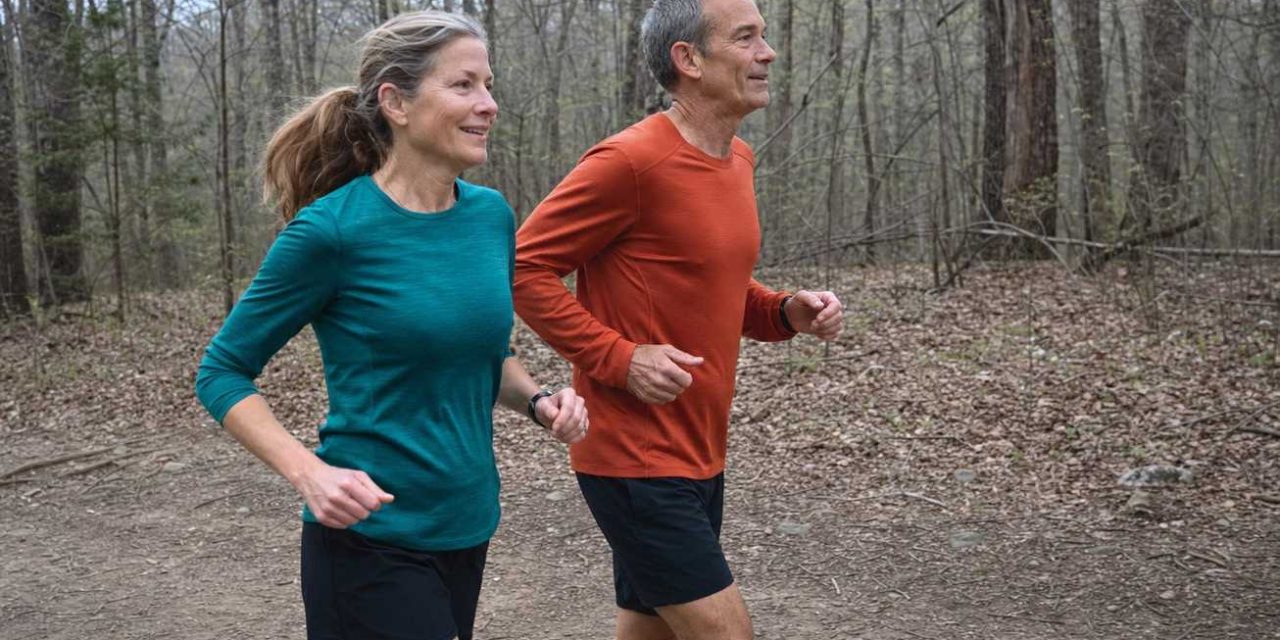
Most runners past 50 quietly assume their fastest days are gone, and that every year from here costs a little more speed.
The research tells a kinder story.
The decline is real, but it stays gentle for a long time. And a large part of it is not aging at all.
It is lost training. That one distinction changes what you can do about it.
How much do runners actually slow down?
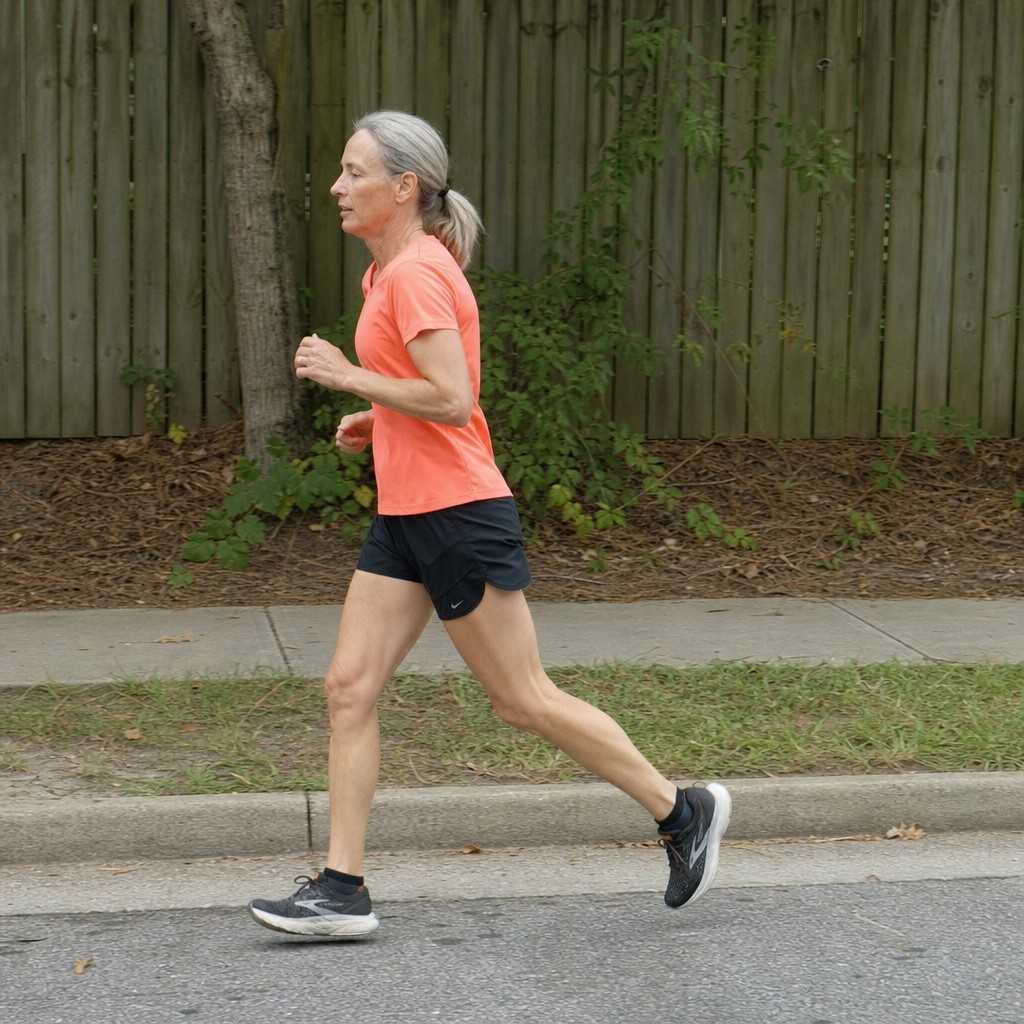
Less than most people fear, at least until your seventies.
The clearest picture comes from a 2008 review in the Journal of Physiology, which mapped how endurance performance shifts across a lifetime.
Peak performance holds until about 35, slips only modestly through the fifties, and does not fall steeply until after 70.
So a 55-year-old runner is not at a cliff edge. They are on a gentle slope, and most people can manage a gentle slope for decades.
Race results agree.
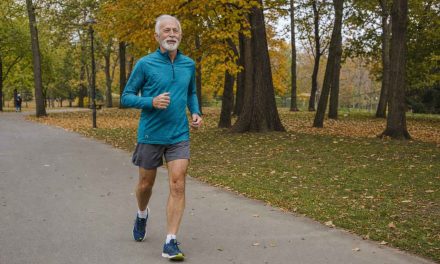
Studies of masters marathoners find that runners who train consistently hold their slowdown to under about 7 percent per decade until age 60. After 60 to 70, the yearly loss is closer to 1 to 1.5 percent.
The decline people dread in their fifties is a slope, not a wall.
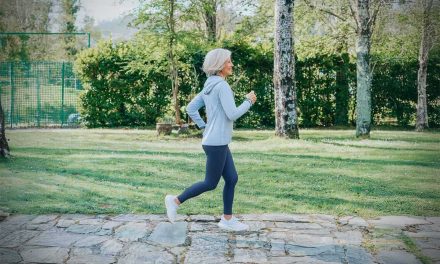
It is common to meet a 58-year-old who runs faster than she did at 40. She did not beat aging. She just trained more deliberately than she ever bothered to in her thirties.
The part that is not aging
The engine behind endurance is your aerobic capacity, often measured as VO2 max. How fast it fades depends more on what you do than on how old you are.
A classic study in the Journal of Applied Physiology put numbers on it. Masters runners who kept training hard lost aerobic capacity at about half the rate of inactive people, near 5 to 6 percent per decade against more than 10.
A 2022 review of masters endurance athletes went further. It found that differences in training volume explained roughly half of how quickly older runners’ aerobic capacity declined.
Read that again.
Half of the gap between runners who hold their fitness and runners who lose it comes down to how much they kept training, not their birthdays.
One of those things is fixed. The other is yours.
What actually protects your pace
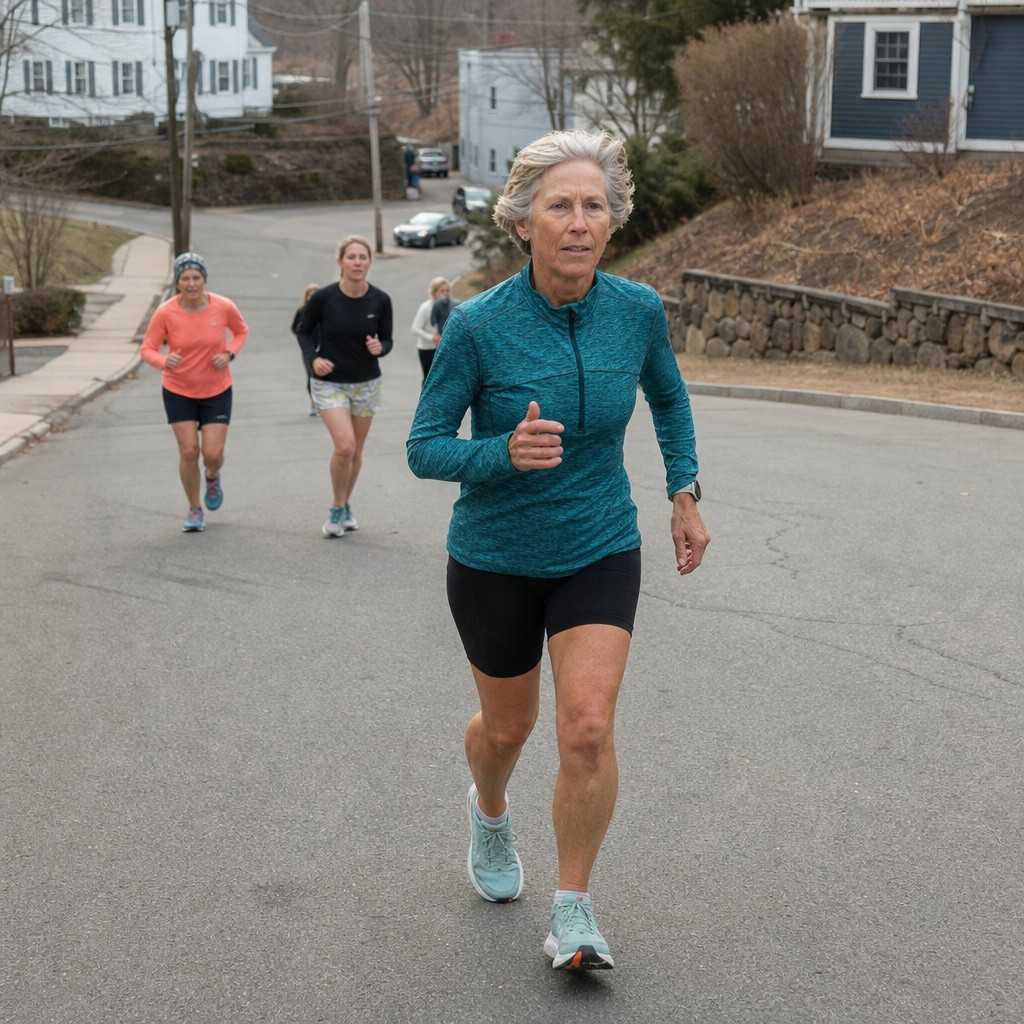
Most age-related slowdown comes from doing less, so the fixes are simple. None of them require punishing yourself.
- Keep showing up. Steady year-round running beats big bursts wrapped around long gaps.
- Hold on to some faster running. One short weekly session of strides, hills, or controlled quicker efforts tells the body to keep its top end.
- Protect your strength. A little weight training in your fifties and beyond defends the muscle power that fades fastest with age.
- Mind your turnover. A slightly quicker, lighter step keeps your form from breaking down as you tire, which is where running cadence quietly earns its keep.
The faster running matters more than most older runners think.
The high end of your fitness is the first thing to slide when training gets comfortable. It is also one of the easiest things to keep, with a small and regular nudge.
None of this means training like a 25-year-old. It means not drifting into doing less, then handing the calendar the blame.
Why this is good news after 50
The reframe is freeing, not discouraging.
If most of the slowdown is trainable, then staying quick is mostly about staying in the game.
The runners who hold their pace are the ones who keep running, season after season, without long breaks. That lines up with what the research says about running a little, consistently, for the long run.
A few seconds per mile a year is not a loss worth fearing. It is the running fee for a body that is still out on the road, which was always the point.
One caveat
This is general information, not medical advice. If something hurts, or a heart or health condition is in the picture, check with your doctor before adding harder or faster running, especially after a long break.
The bottom line
Yes, runners slow down with age. But gradually, and less than the calendar leads you to expect.
Most of the drop before your seventies is lost fitness you can train back, not biology you are stuck with.
Keep running. Keep a little speed in your week. The slope stays gentle for a very long time.