Earth Runners are running sandals on a zero-drop sole, built to let your foot move as close to barefoot as a shoe allows.
They sit at the far end of the minimalist spectrum.
That makes them interesting if you are already experimenting with natural footwear, and a sharp learning curve if you are not.
The idea is simple: strip away as much material as possible, let the foot bend and grip, and build some ground-feel back into your run.
Whether that appeals to you depends on where you are in your running life.
What you are actually buying
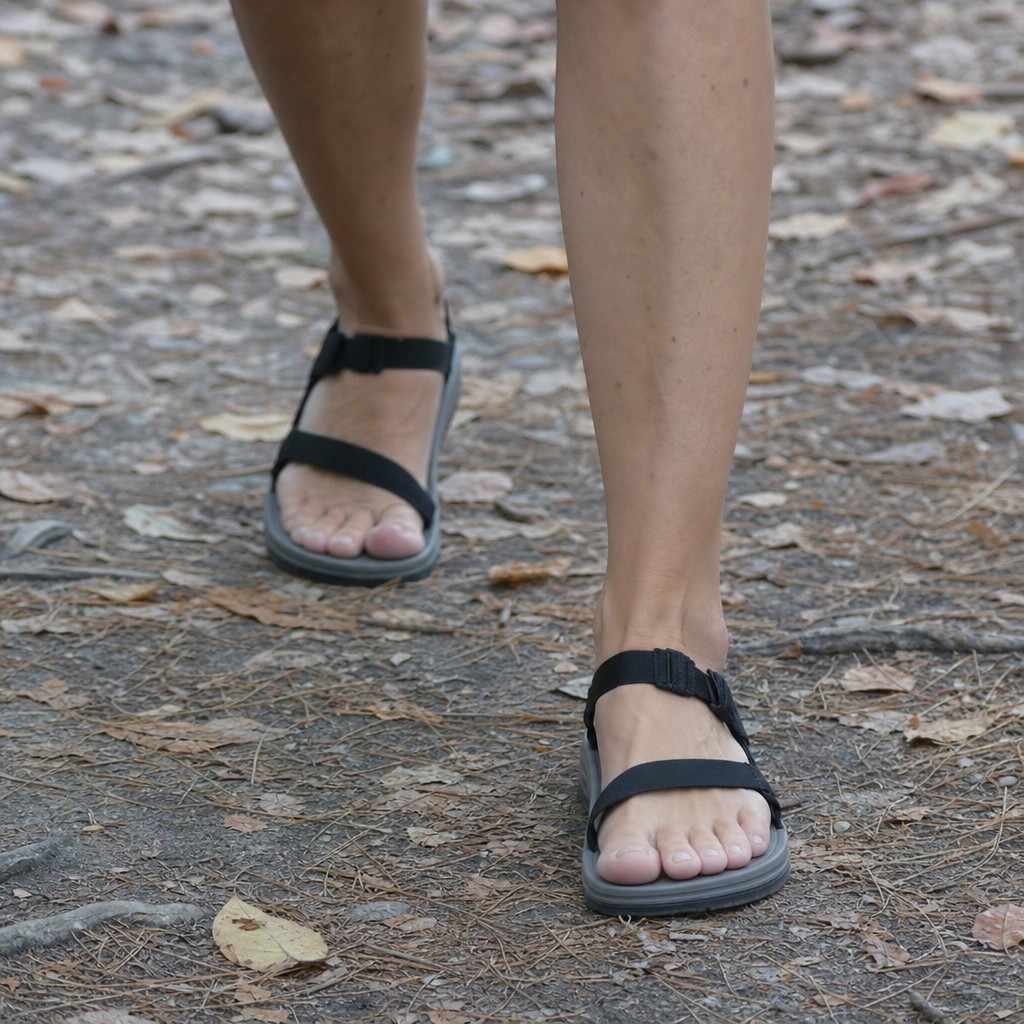
The construction is stripped down by design. A flat rubber sole in a few thickness options, with a nylon strap that wraps under the forefoot, passes between the big and second toe, and loops above the heel.
No arch support. No cushioning stack. No heel drop.
The sole feels stable and flexible underfoot. The straps take some fiddling to get right, and the toe post is the part most runners need a few sessions to stop noticing.
For longer road running, the thickest sole is the practical pick. The thinner versions suit shorter distances, softer ground, or feet already adapted to minimal footwear.
The sandal does not make you a minimalist runner. Your feet and form do that over time.
Who they suit
These work best for runners who have already eased into lower-drop or minimalist shoes.
If you have been in zero-drop shoes for a season or more, the sandal is a lateral move, not a leap. Your Achilles and calves already work without a heel raise.
Coming from a standard cushioned shoe, the gap is large. Ease down through the drop range first, from 10 mm to 8 mm to 4 mm, then to zero, before adding the open sandal.
Skipping that progression is where most people get hurt.
Running in natural footwear changes how your lower leg loads with each step. This is general information, not medical advice. If you have had Achilles or calf issues, check with your doctor before a significant footwear change.
The transition matters more than the sandal
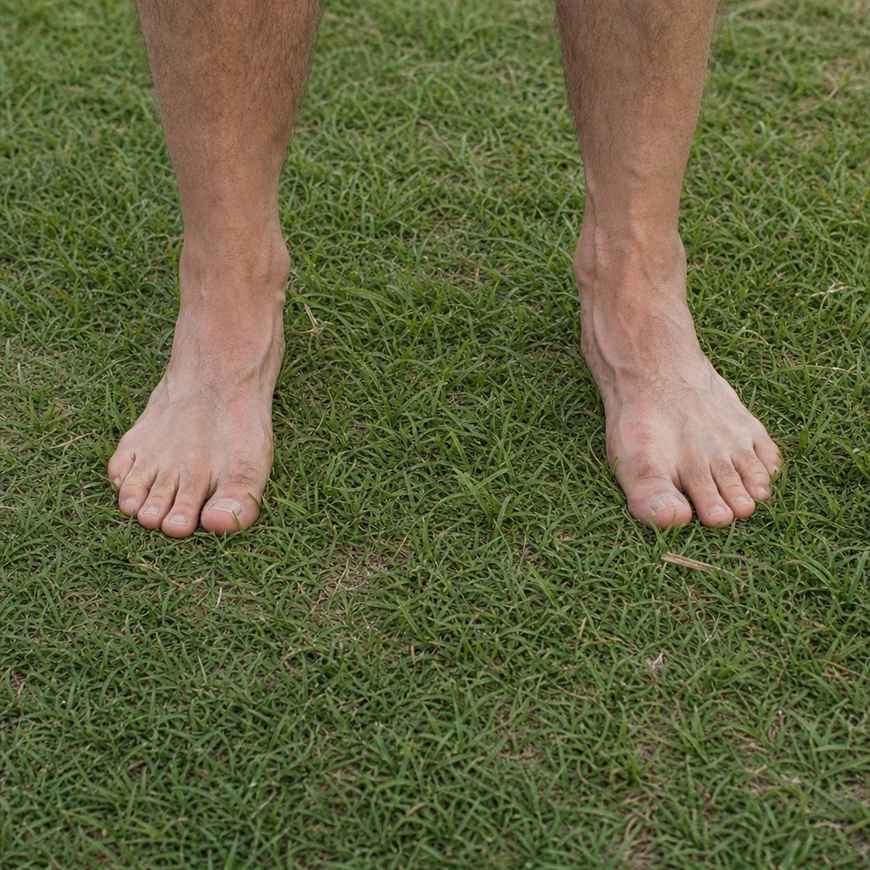
The most common mistake with any minimalist footwear is starting too far, too fast.
Earth Runners are no different.
Keep your first runs short, on forgiving ground, and treat them as form practice rather than training. Notice how you land, how your foot spreads, and how your running form shifts without a heel to fall back on.
Soreness in the Achilles or arch after the first run is normal. Pain that persists is not.
Stronger feet and ankles matter even more here. Feet that spent years in supportive shoes have not had to stabilize much, so a few minutes of simple foot and ankle work each week makes the transition smoother.
What they do well
- Flat rubber sole with solid traction on dry surfaces
- Ground-feel that is hard to match in a closed shoe
- Durable build; the sole is partly recycled rubber
- Genuinely light for summer or warm-weather running
- Encourages a midfoot or forefoot landing, which can improve overall form over time
Where they fall short
- The toe post takes adjustment; some runners never fully adapt
- Wet or slick surfaces cut traction meaningfully
- Not for cold weather or technical trail running
- The strap can shift on longer runs until you dial in the fit
- A hard learning curve if you have not yet moved to zero-drop
Worth it for the right runner
Earth Runners are a specific tool for a specific kind of runner.
Already curious about minimalist footwear, already running low or zero drop, and after more ground contact with less material? They are worth trying.
New to natural running? They are not the place to start.
Browsing before buying makes sense. You can compare minimalist running sandals on Amazon to see the range of sole thicknesses and strap styles first.
Minimalist footwear is worth easing into slowly, not as a fix or an upgrade, but as a way to let your feet do more of the work over time. That is the honest frame for Earth Runners, and for most of what sits at this end of the shoe market.